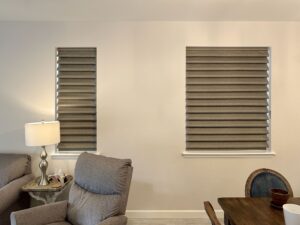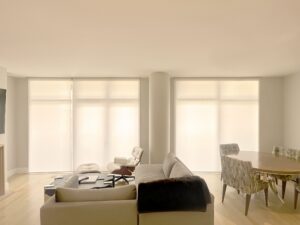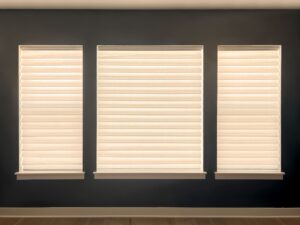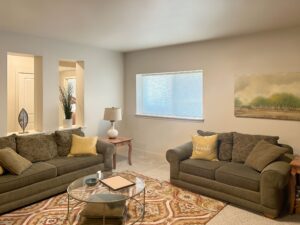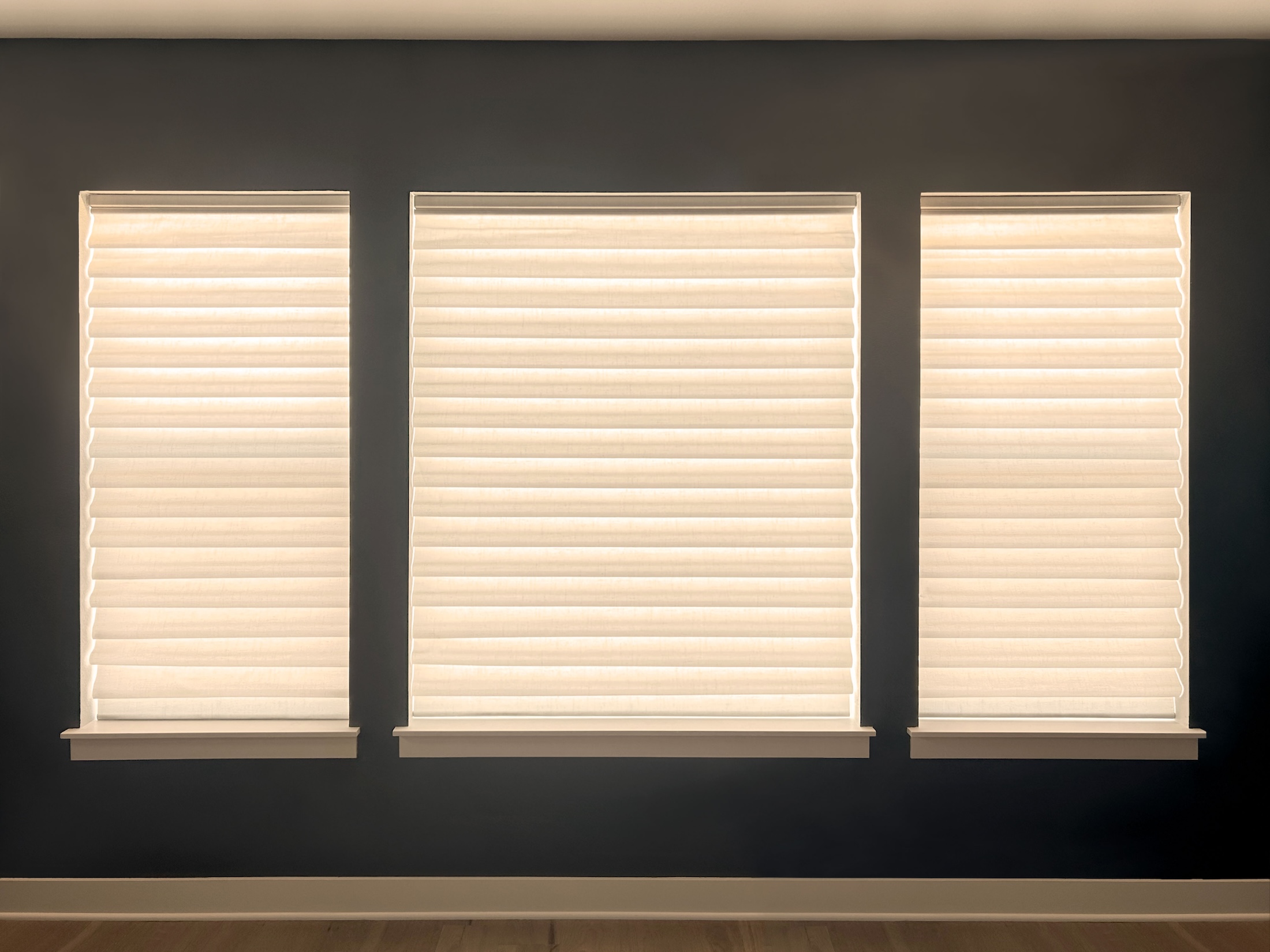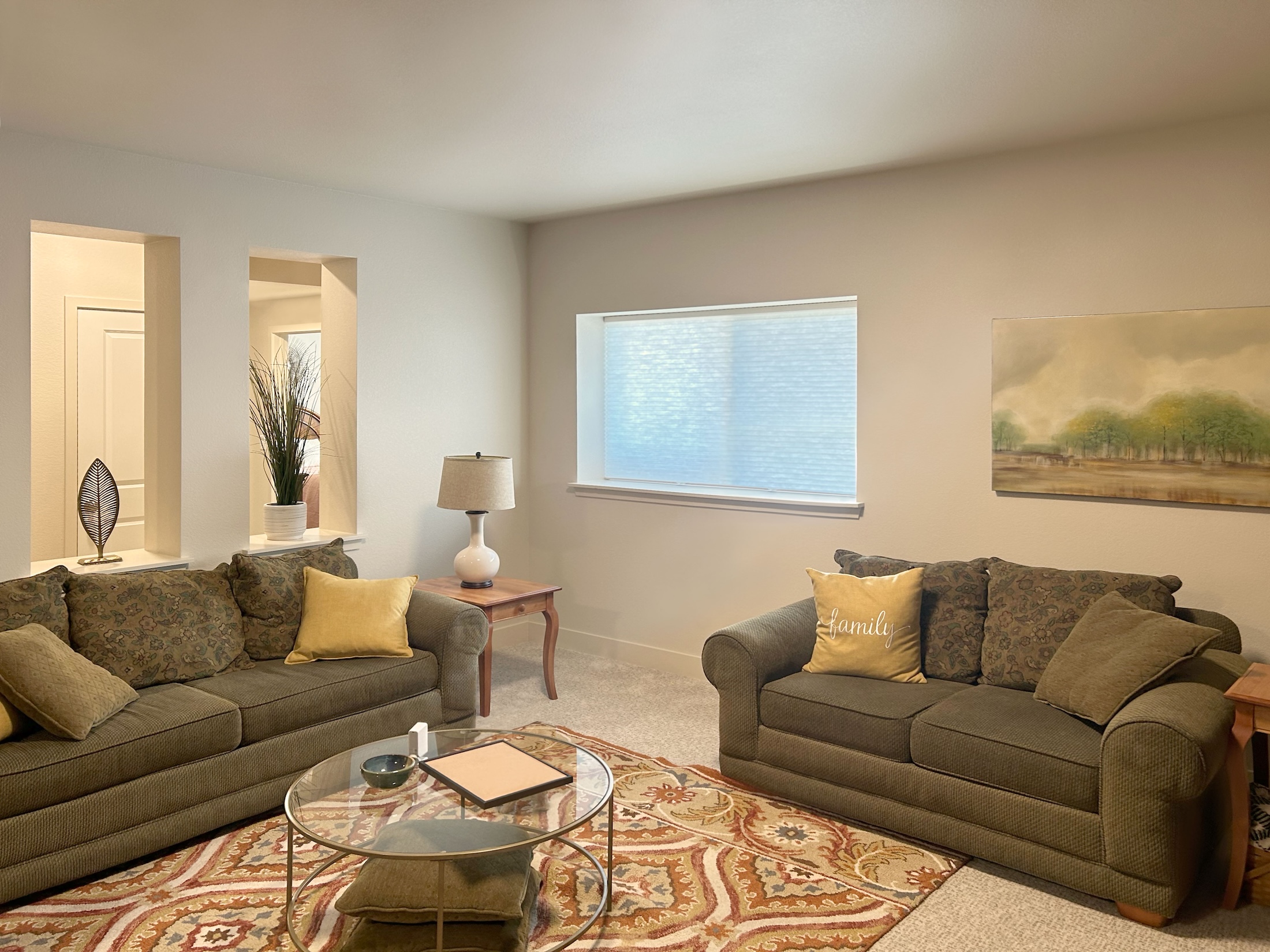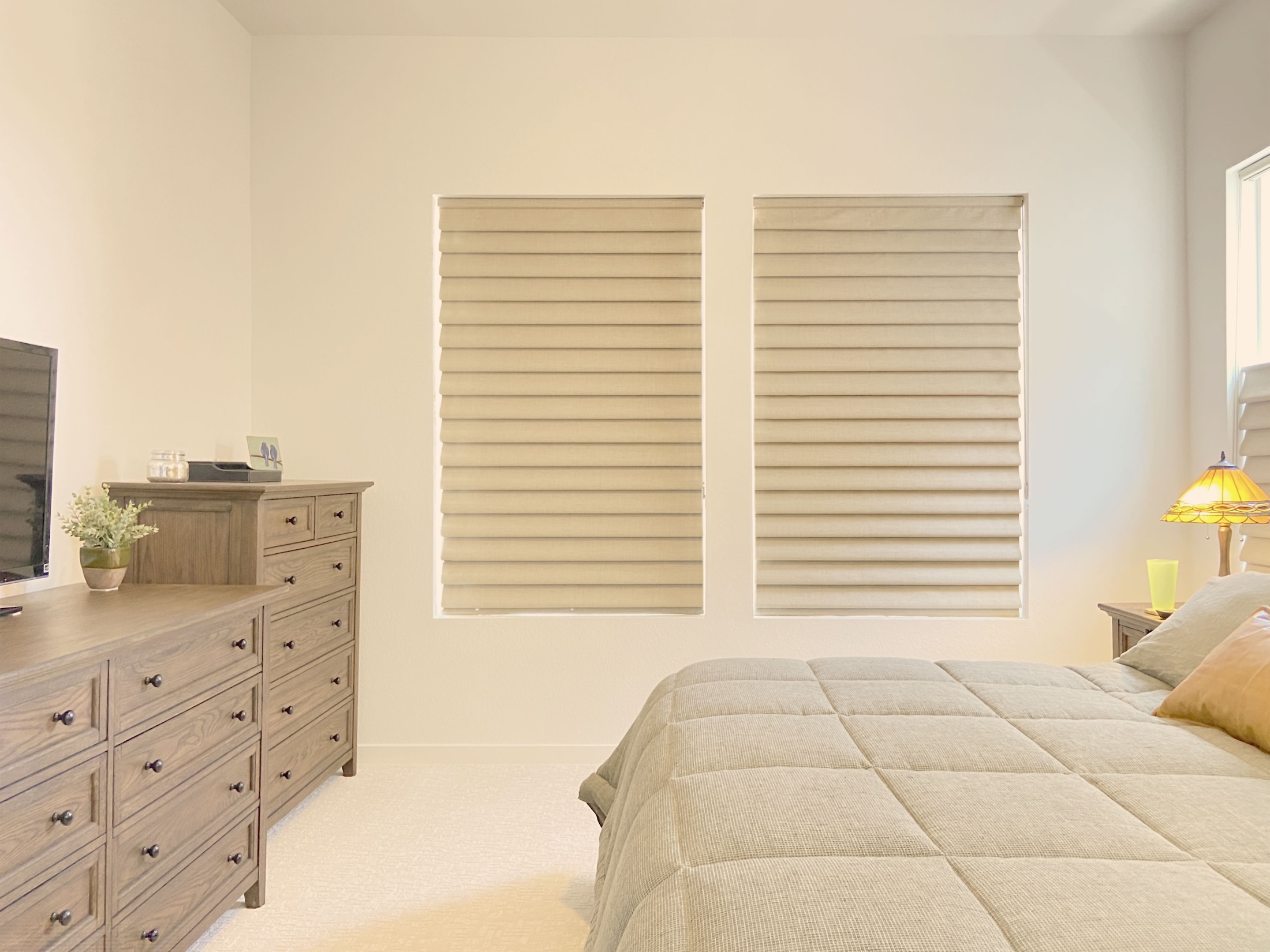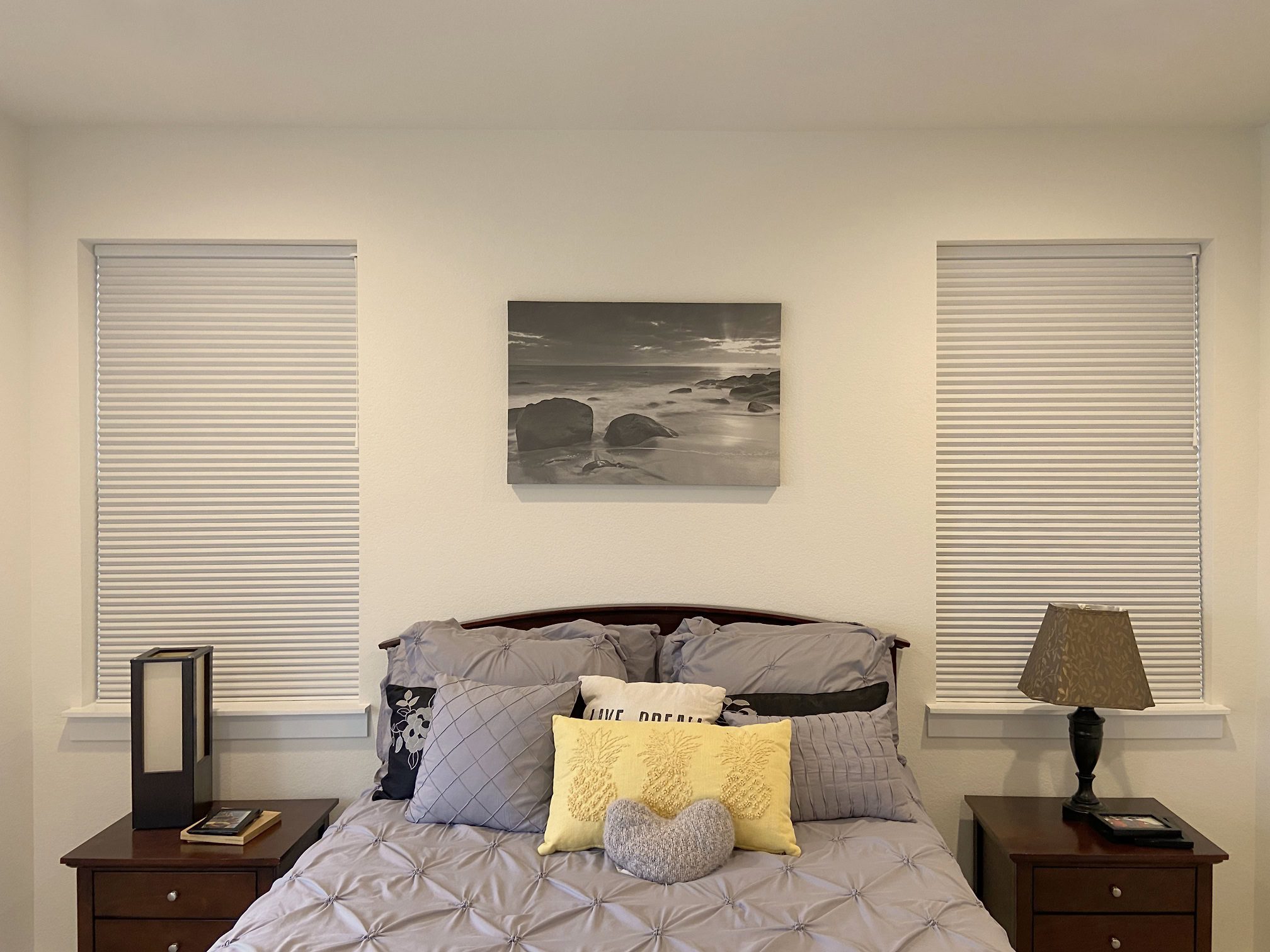
Basements are a common feature in Colorado homes, providing valuable square footage that can become anything from a family room or home theater to a gym, guest suite, bar, or home office. And with the right basement window coverings, these spaces can feel just as comfortable, functional, and thoughtfully designed as the rest of the home.
Basement windows present their own set of considerations. Some are smaller and positioned higher on the wall, while finished and walkout basements may have full-size windows or doors that bring in significant natural light. Privacy, glare, insulation, and ease of operation can also vary depending on how you use the basement.
At AIM, custom window treatments can be tailored to the window, the room, and how homeowners want the space to function.
Why Window Coverings Matter in Colorado Basements
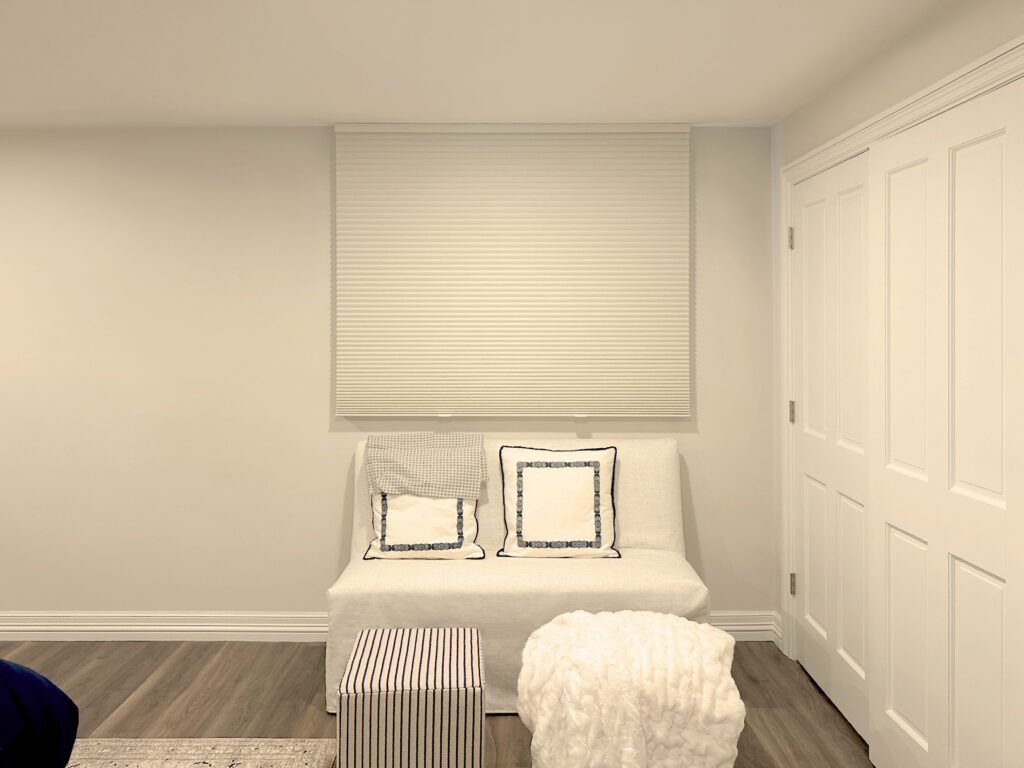
Not every Colorado home has a basement, but they are especially common throughout communities along the Front Range. In areas such as Parker, Castle Rock, Highlands Ranch, Centennial, Colorado Springs, Littleton, and surrounding Douglas County communities, basements are common in both established homes and newer construction.
Colorado basements can also look very different from one home to another. An unfinished basement may primarily serve as storage or a workout area, while a finished basement might include bedrooms, entertainment spaces, a wet bar, or an entire secondary living area. Homes built on sloped lots may have walkout basements with larger windows and doors.
That variety means no single window treatment works for every basement.
The right window coverings for basement windows can help homeowners manage natural light, increase privacy, reduce glare on televisions and screens, improve comfort near windows, and create a more finished look.
Basement Window Covering Ideas Based on How the Space Is Used
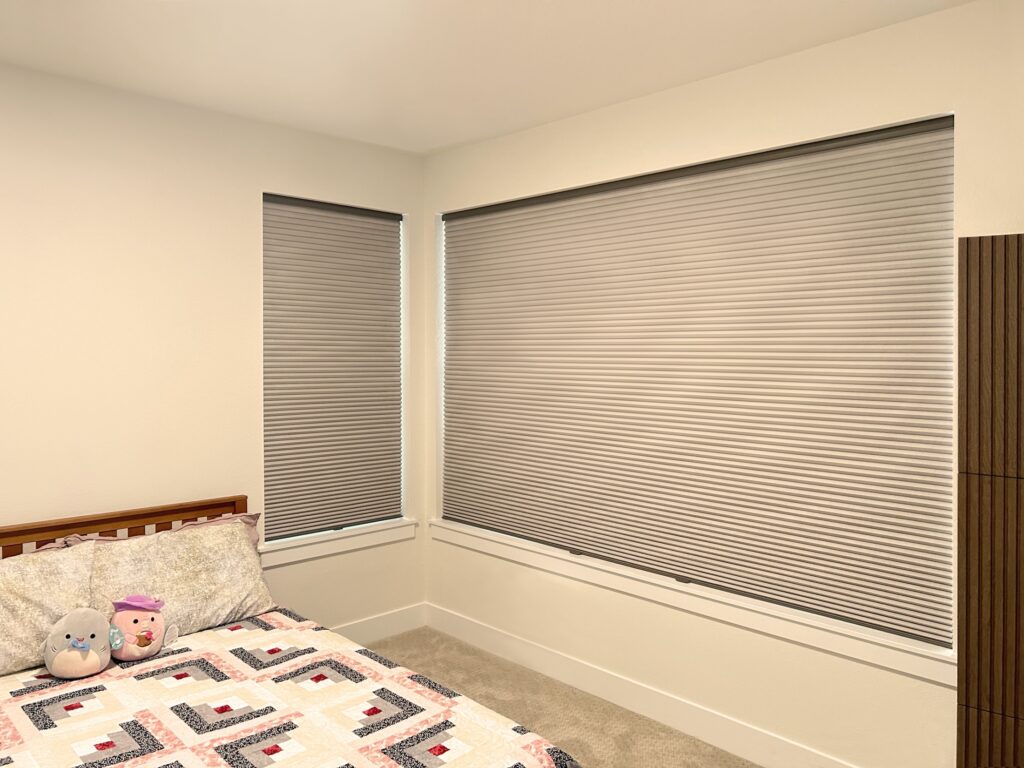
Instead of choosing a window treatment based solely on the fact that it’s going in a basement, consider what happens in the room.
Family Rooms & Basement Living Rooms
Finished basements often become secondary family or living rooms, especially when enough natural light makes the lower level feel open and inviting.
For these spaces, homeowners may want to preserve daylight during the day while having more control over privacy and glare when watching television.
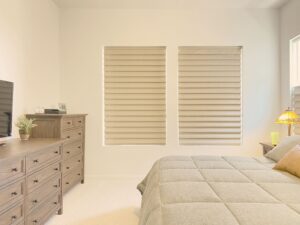
Cellular shades, roller shades, Roman shades, and blinds can all work well depending on the windows and desired design. Top-down bottom-up shades can be especially useful when homeowners want privacy at a lower sightline while still letting natural light into the room.
Basement Bars & Entertainment Areas
A finished basement bar can become a focal point for entertaining, and the window treatments should complement the overall design rather than feel like an afterthought.
Custom shades or blinds can coordinate with cabinetry, flooring, furniture, and other finishes while providing practical light and privacy control.
If a bar area has windows behind or near seating, AIM can also evaluate how the treatment will operate around countertops, furniture, and other architectural features.
Home Theaters & Media Rooms
For a basement designed around movies, gaming, or a large television, controlling incoming light becomes especially important.
Room-darkening and blackout window treatments can help minimize glare and create a darker environment for screens. Depending on the window, options may include blackout cellular shades, roller shades, or other room-darkening treatments.
For Colorado homeowners looking for the highest possible level of darkness, the entire installation matters. AIM considers the window dimensions, mounting position, and potential light gaps when recommending a solution.
Basement Bedrooms & Guest Suites
Privacy and light control are usually priorities when a finished basement includes a bedroom or guest suite.
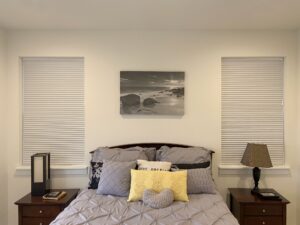
Room-darkening cellular or roller shades can provide privacy while helping create a comfortable sleeping environment. For rooms used day and night, homeowners can also explore solutions that offer more flexible control over incoming light.
Window treatments should never interfere with a required emergency escape or rescue opening. AIM can evaluate each window and recommend a treatment that fits its configuration and intended use.
Home Gyms & Workout Rooms
Basement gyms often benefit from natural light, but privacy may matter just as much, especially with windows near ground level.
Light-filtering shades can soften direct sunlight without making the room unnecessarily dark. Depending on the window location, top-down bottom-up shades can also balance privacy and daylight.
For hard-to-reach windows, motorization can make adjusting the shades much more convenient.
Man Caves & Game Rooms
A basement game room or man cave may need completely different light control throughout the day. Bright natural light may be welcome when entertaining, while glare can become a problem when watching sports or using gaming screens.
Adjustable blinds and shades for basements make it easier to adapt the room to different activities without sacrificing the overall design.
What Are the Best Blinds and Shades for Basements?
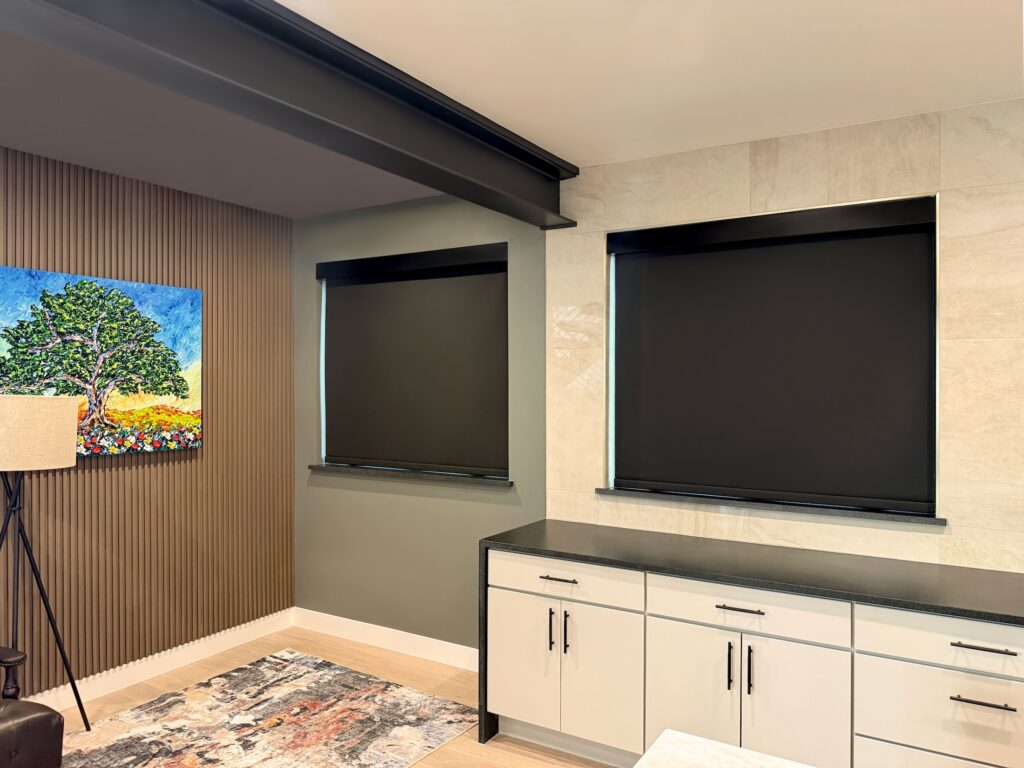
There isn’t a single “best” product for every basement. Window size, placement, privacy, room use, and the amount of incoming sunlight all influence the recommendation.
Here are several basement window covering ideas worth considering:
Cellular Shades
Cellular shades are a versatile option for finished basements. Their honeycomb construction creates insulating air pockets at the window, and they come in different opacity levels, from light-filtering to room-darkening.
They can work especially well for basement bedrooms, family rooms, gyms, and multipurpose spaces.
Roller Shades
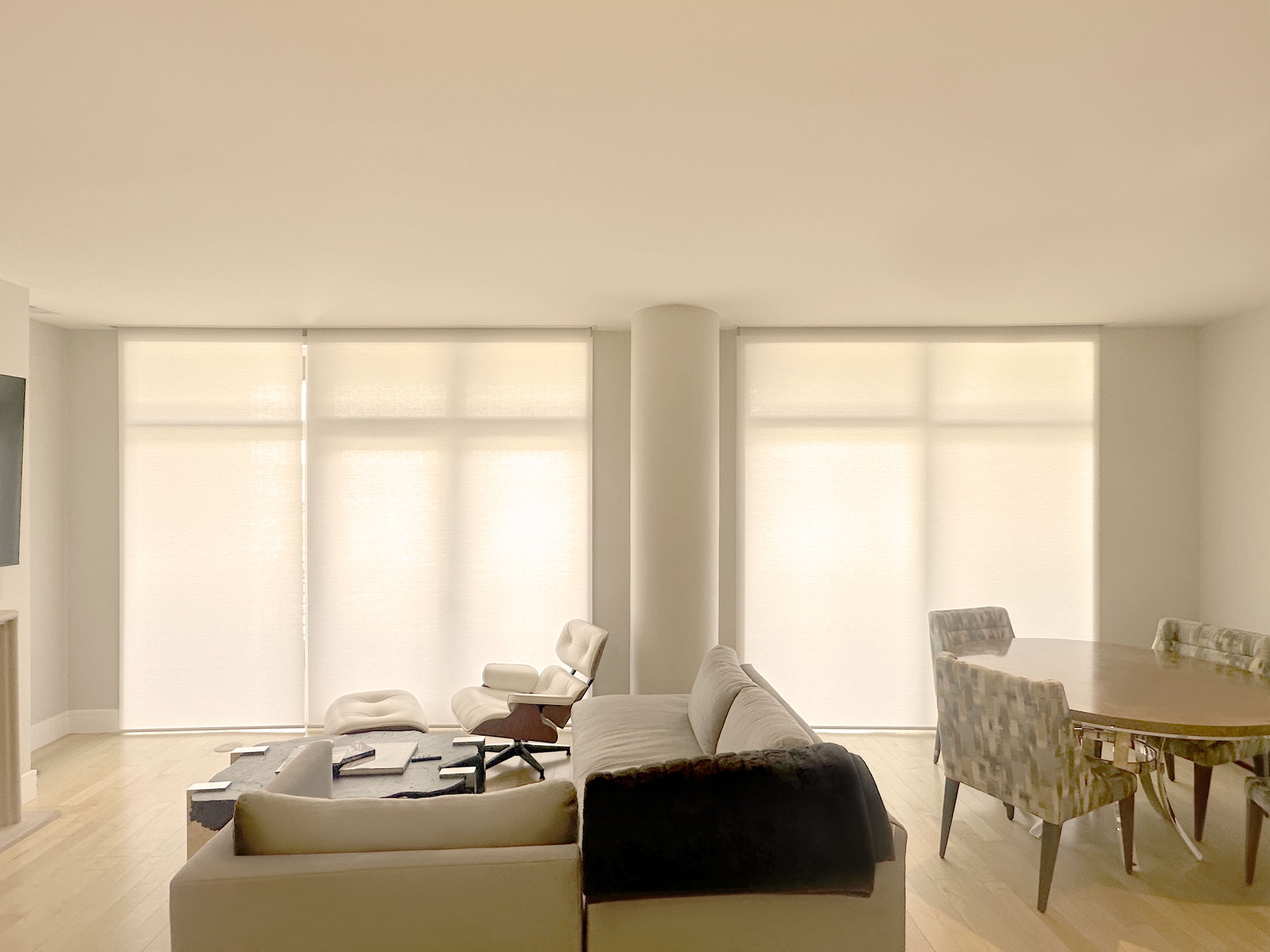
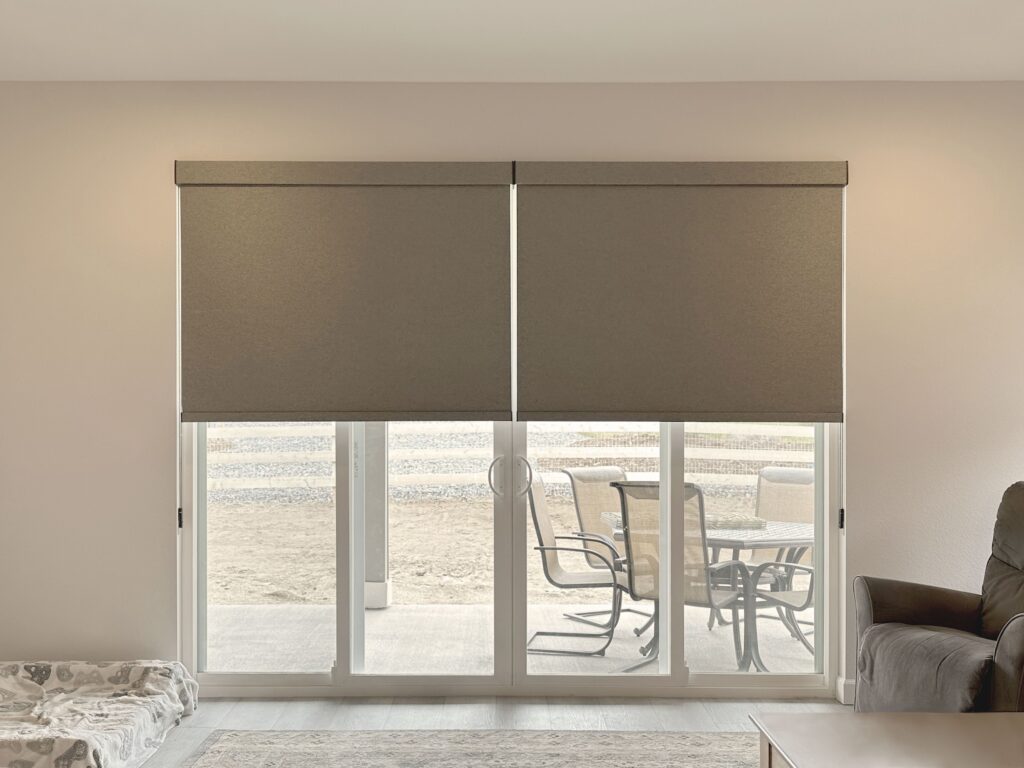
With their streamlined appearance, roller shades are a good fit for modern finished basements. Homeowners can choose from a wide variety of fabrics, colors, and opacity levels depending on how much light and privacy the room needs.
Blackout roller shades can be particularly useful in media rooms, bedrooms, and entertainment spaces.
Custom Blinds
Blinds provide adjustable light control through tilting slats, allowing homeowners to change the amount and direction of incoming light without completely raising the treatment.
They can be a practical option for basement family rooms, offices, bars, and multipurpose spaces.
Roman Shades
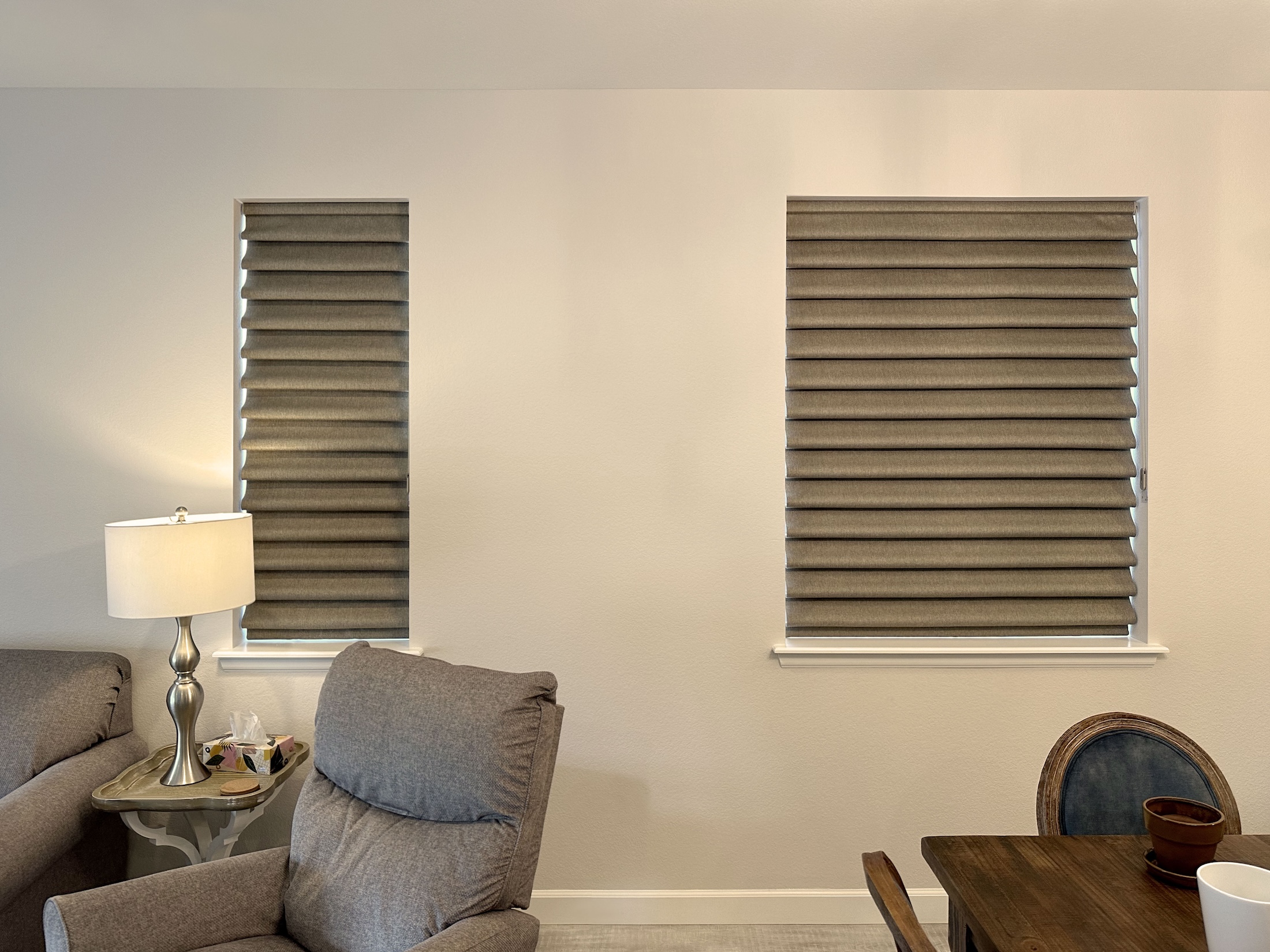
For finished basements designed as an extension of the home’s main living areas, Roman shades can bring softness and texture to the windows. They work particularly well in guest rooms, living spaces and entertainment areas where design is just as important as light control.
Motorized Shades
Motorization isn’t limited to large or high windows upstairs.
Basement windows can be positioned behind furniture, above a bar, high on a wall, or elsewhere, making manual operation inconvenient. Motorized shades let homeowners adjust those windows without physically reaching each treatment.
For basements with multiple windows, automation can also make it easier to control several shades together.
What About Small or High Basement Windows?
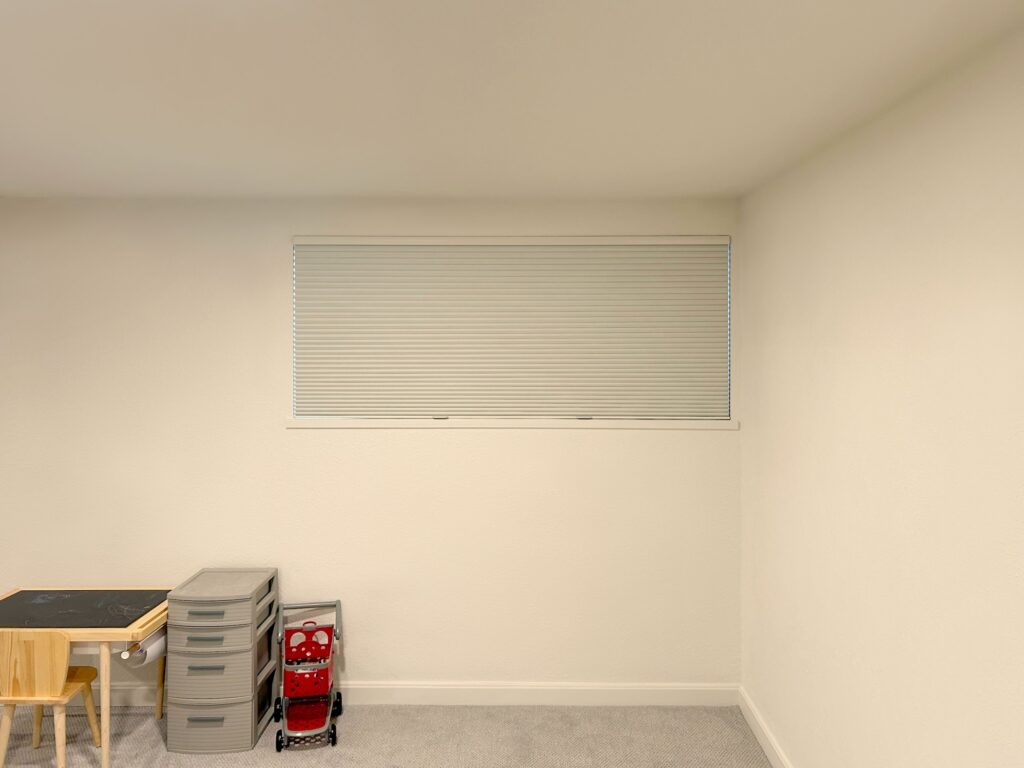
One challenge with basement window coverings is that windows don’t always match the proportions or placement of windows throughout the rest of the home.
Some are short and wide. Others sit close to the ceiling. Finished walkout basements may have windows that look much more like those on the home’s upper levels.
Custom measurements matter most in these situations.
Rather than trying to fit a standard-size treatment to an unusual opening, AIM takes precise measurements and considers factors such as mounting depth, handles, trim, surrounding walls, and how easily the treatment operates.
Choosing Between Light Filtering and Room Darkening
Basements don’t automatically need dark window coverings.
In fact, a basement with limited natural light may benefit from preserving as much daylight as possible. A light-filtering shade can soften incoming sunlight and provide privacy while keeping the space brighter.
A room-darkening or blackout option may make more sense for a basement bedroom, theater, or media room.
For a multipurpose basement, different windows (or even different rooms on the same level) can use different opacity levels based on how each space functions.
Window Coverings for Walkout Basements
Walkout basements can have an entirely different set of window treatment needs.
Because one side of the basement may be above grade, these spaces can feature large windows, sliding glass doors, or French doors that receive substantial sunlight.
That opens up additional options for custom blinds, shades, shutters, privacy sheers, drapes, curtains, and side panels. Large windows may also benefit from motorization, particularly when several treatments need to be adjusted throughout the day.
AIM can coordinate treatments across windows and doors so the entire lower level feels cohesive while each opening gets the functionality it needs.
Don't Forget Basement Doors
If a finished or walkout basement opens onto a patio, backyard, or outdoor living area, window treatment planning shouldn’t stop at the windows.
AIM offers custom window treatment solutions for sliding glass doors, French doors, and other door styles, so you can coordinate window coverings throughout the basement.
Depending on the door and how often it’s used, you can choose solutions with convenient access and everyday operation in mind.
Custom Basement Window Coverings Throughout Colorado
Colorado basements can serve many purposes, and those purposes often change as a household’s needs evolve. An unfinished area may become a home gym. A finished lower level may combine a family room, guest bedroom, bar, and entertainment space.
Custom basement window coverings let each area have the right mix of privacy, daylight, glare control, and style.
AIM provides custom window treatments throughout Denver, Parker, Castle Rock, Highlands Ranch, Elizabeth, Centennial, Littleton, Lone Tree, Aurora, Arvada, Lakewood, Boulder, Fort Collins, Loveland, Colorado Springs, and surrounding Front Range communities. AIM also serves Colorado’s Western Slope and mountain communities, including Aspen and Grand Junction.
During a free in-home consultation, AIM brings product samples directly to the home, takes precise measurements, and helps homeowners compare window treatment options based on the basement’s windows, layout, and intended use.
Ready to explore blinds and shades for a Colorado basement? Contact AIM to schedule a free in-home consultation and find a custom solution for every window in your basement.