Technology and Convenience
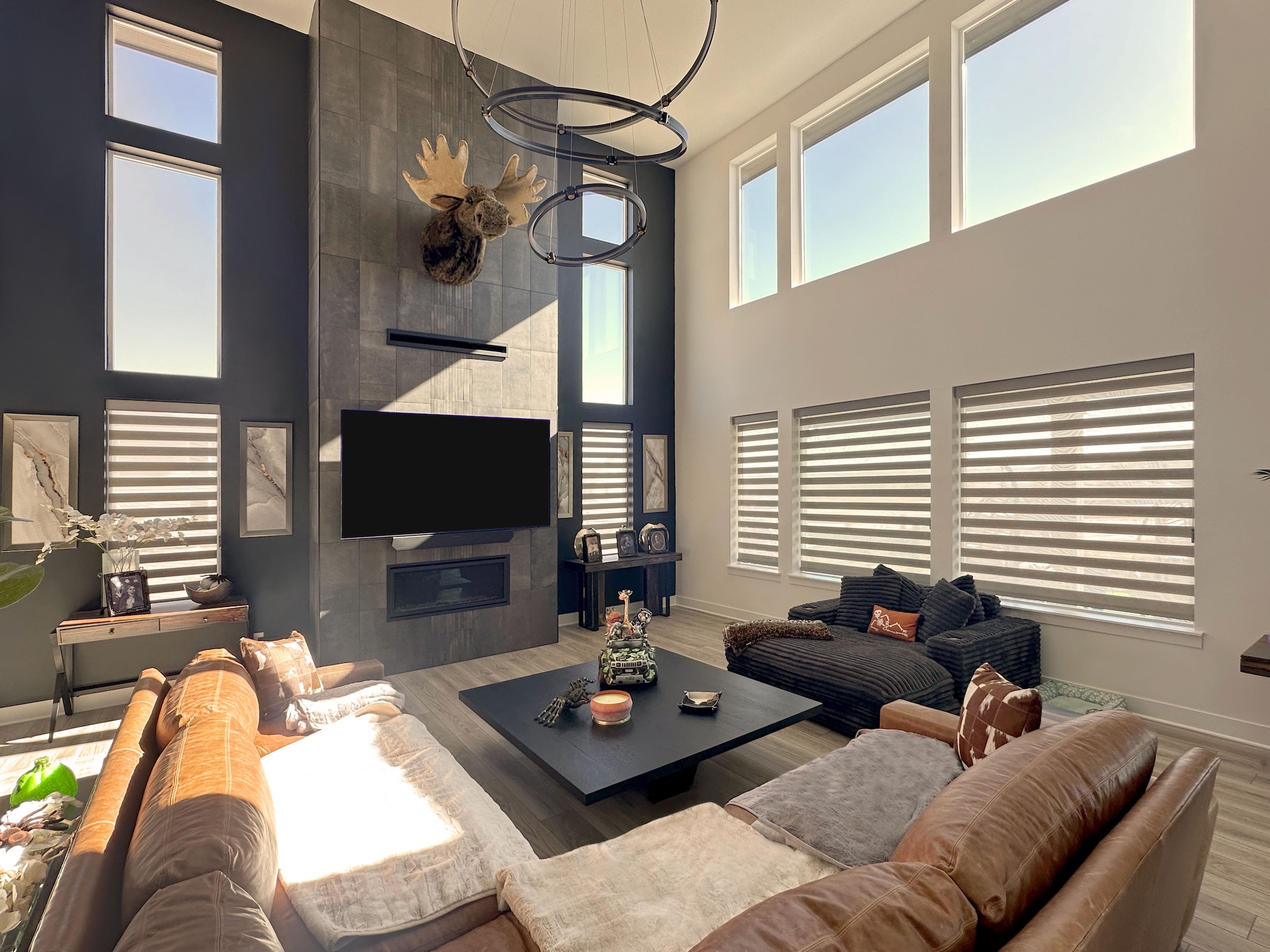
Automation helps you control light with consistency. Hunter Douglas window treatments with PowerView® automation allow you to adjust multiple treatments, save favorite positions, and automate movement throughout the day. You can use the PowerView® app or connect to smart speakers and assistants like Alexa and Google Home for voice control and voice commands. That is especially handy for large windows and hard-to-reach treatments.
If you prefer a simple setup, cordless shades offer a clean, child-friendly operation without visible cords. You still get dependable light control in a minimal package.
Choosing Window Coverings Room By Room
Every room has a job to do. Begin by selecting the function, then choose the amount of light and the fabric that best supports it.
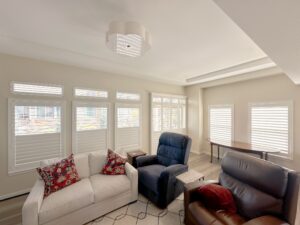
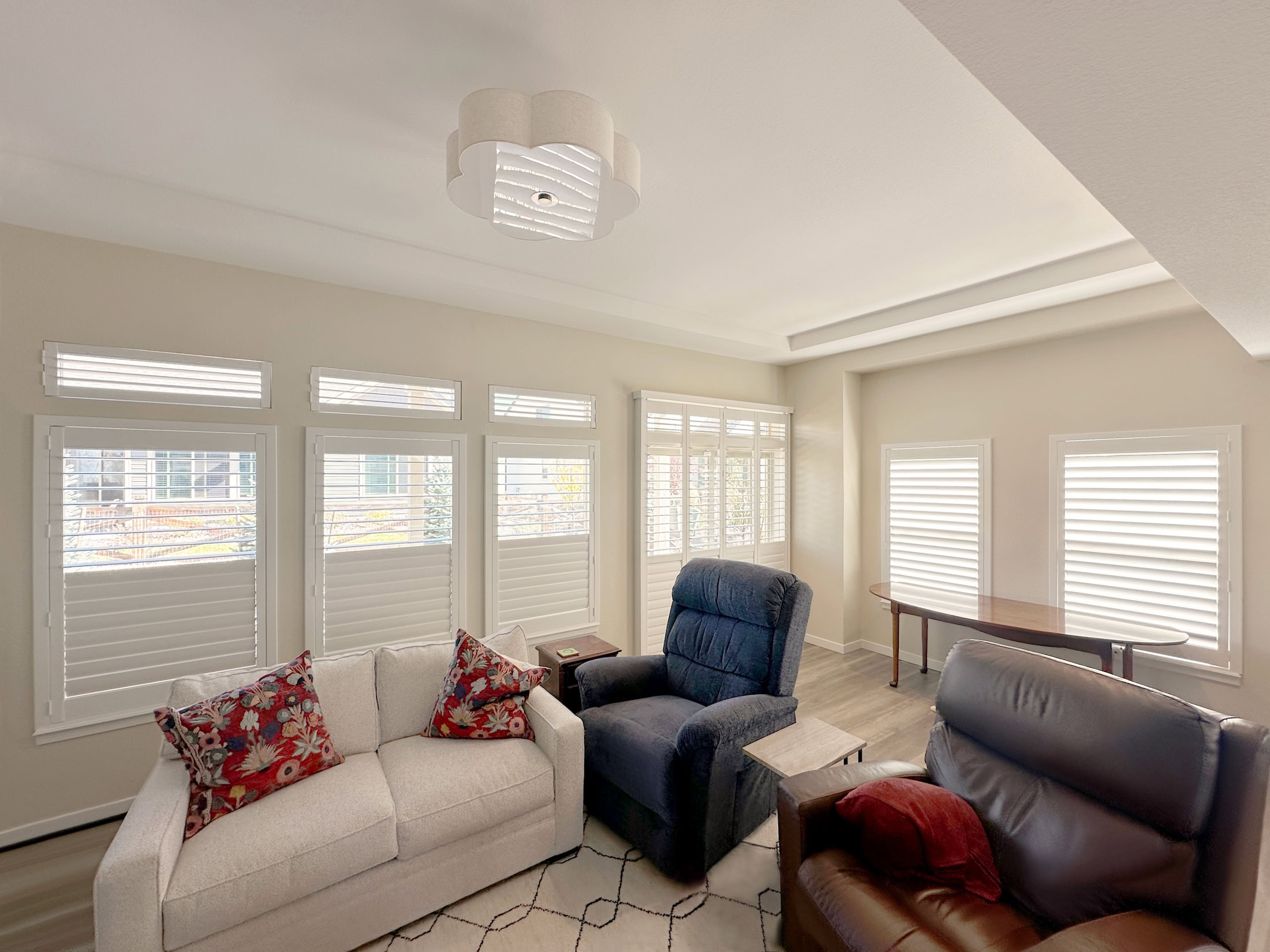
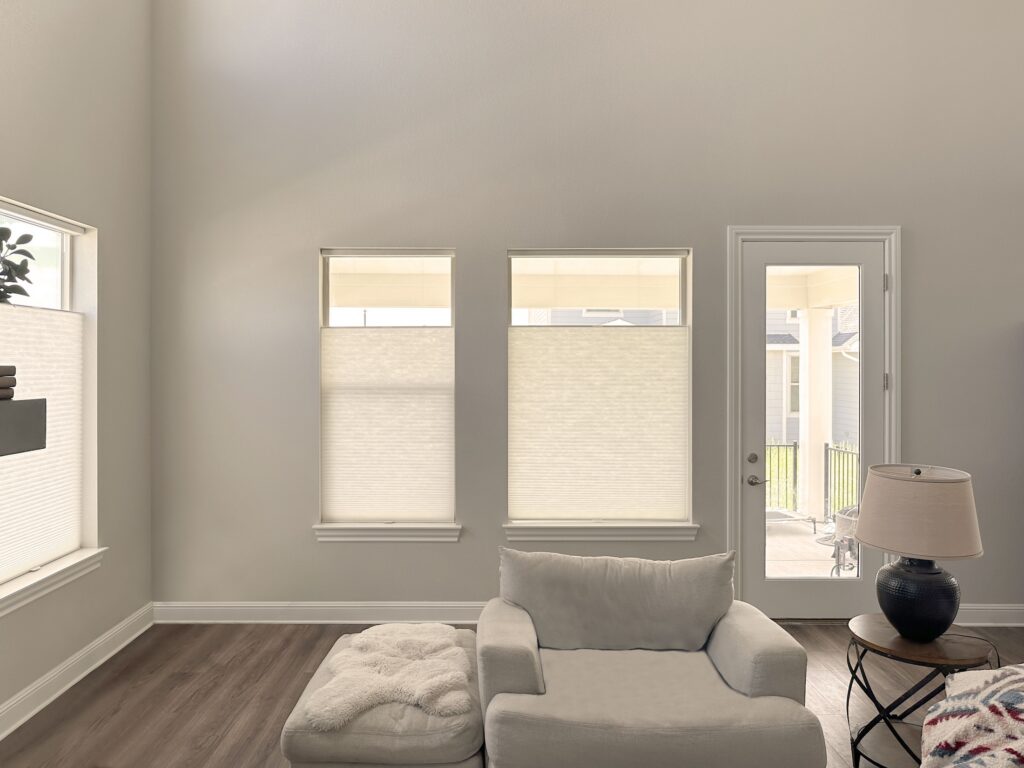
Living Rooms
- Goal: Bright, comfortable, and glare-controlled.
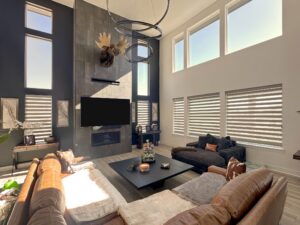
- Good fits: light filtering roller shades, solar shades, or sheer shades.
- Why: they reduce glare on screens and soften light for conversation while preserving outside views.
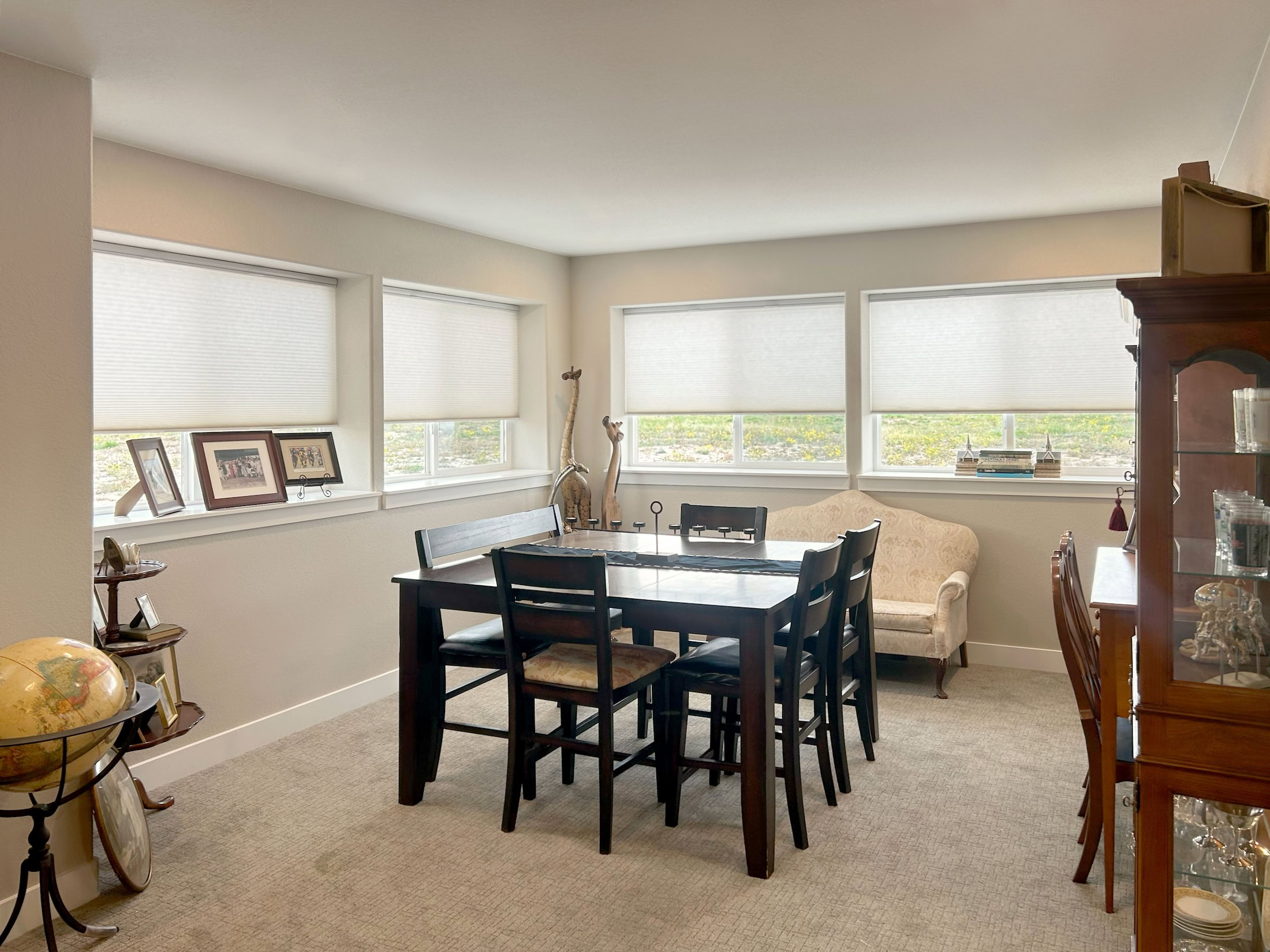
Dining Rooms
- Goal: natural light with privacy for evening meals.
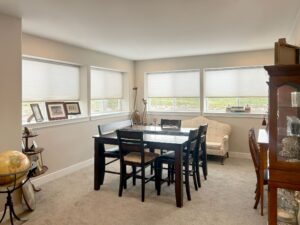
- Good fits: light filtering roller shades or cellular shades.
- Why: fabric choices let you tune brightness for daytime lunches and reduce visibility at night.
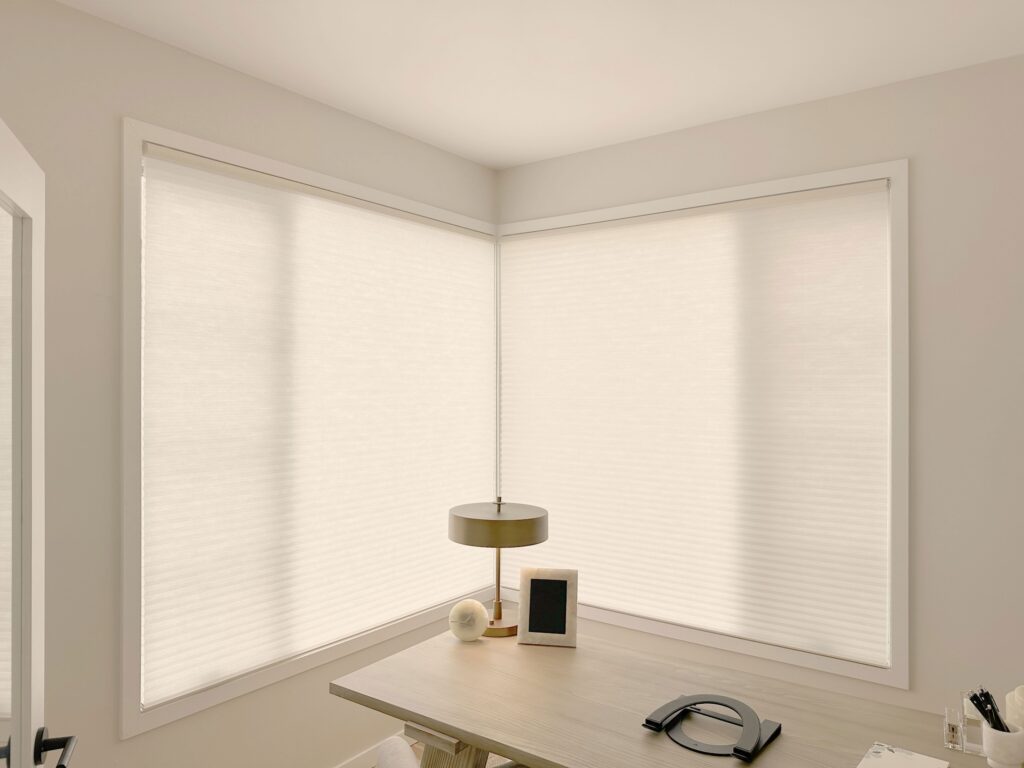
Home Offices
- Goal: glare reduction for computer screens without a dark room.
- Good fits: solar shades with the right openness to reduce brightness, or light filtering cellular shades for extra insulation.
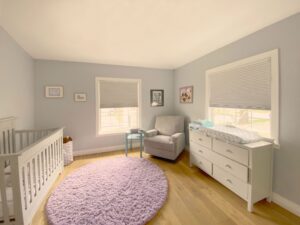
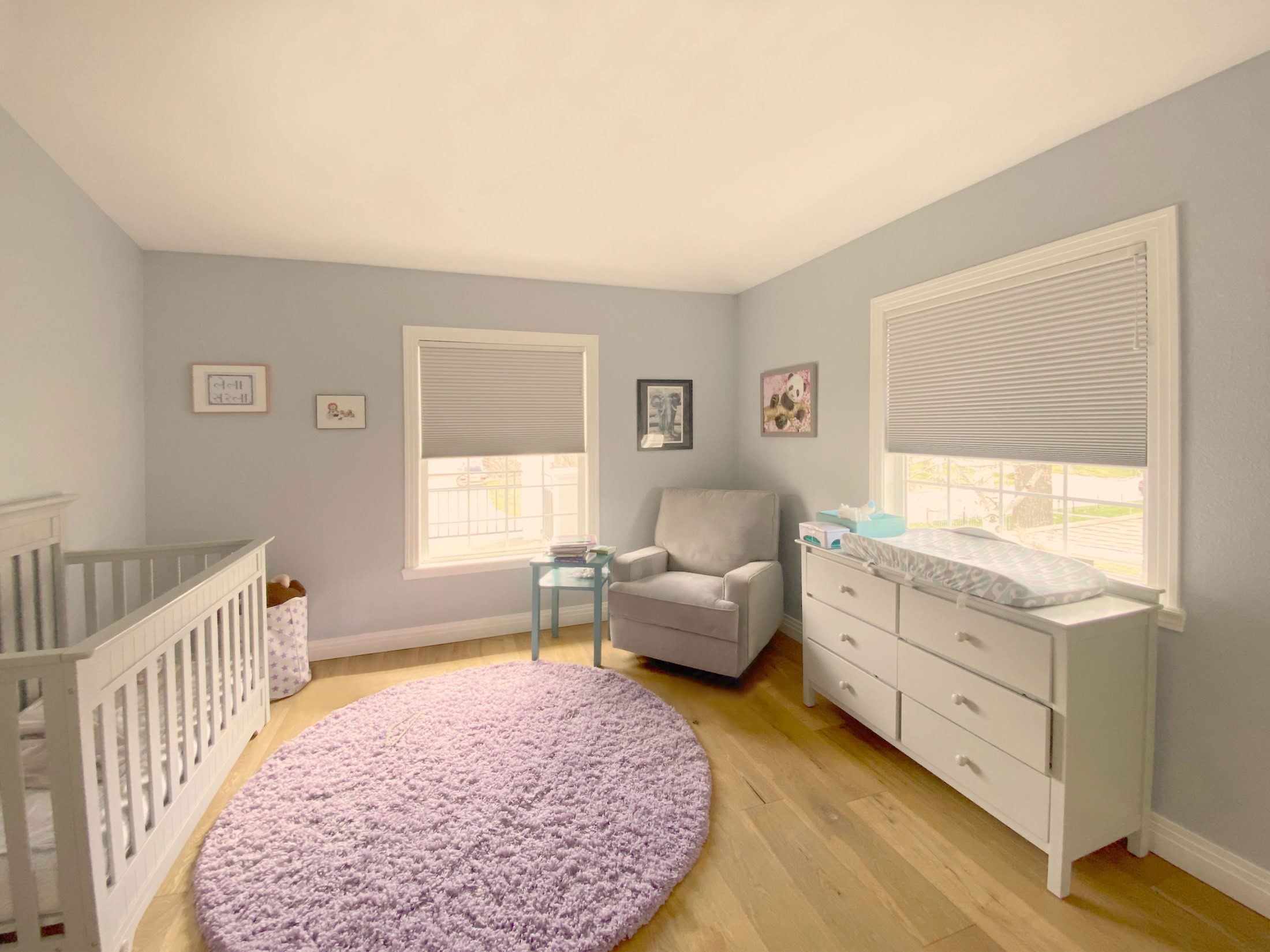
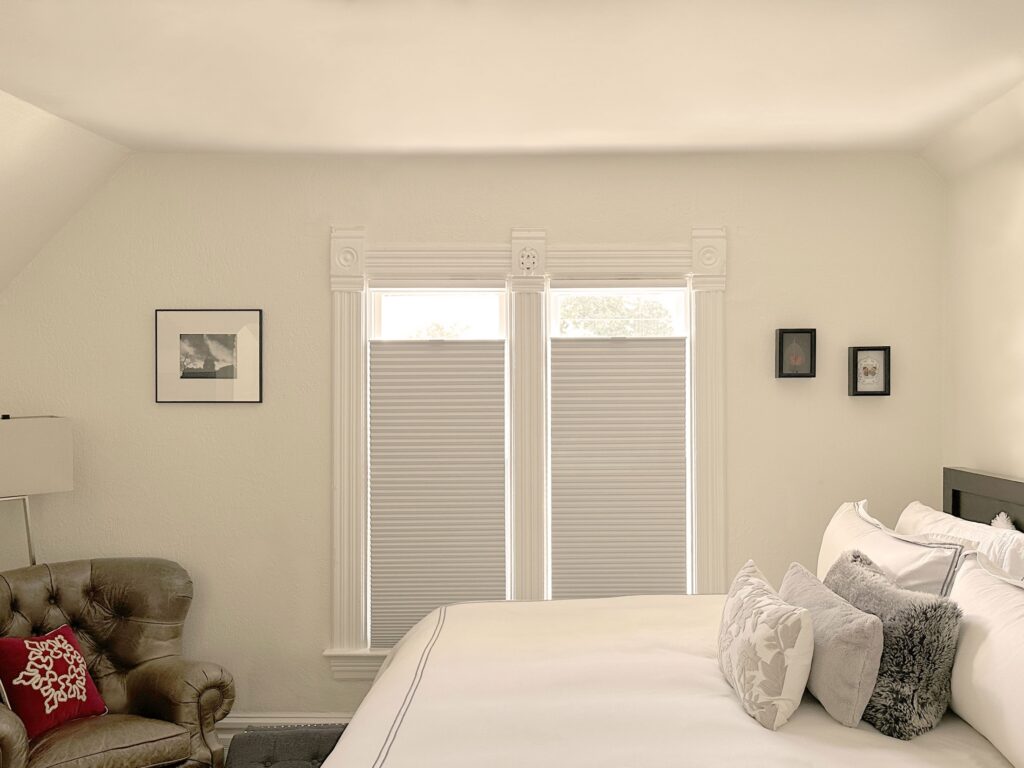
Bedrooms And Nurseries
- Goal: deeper sleep and privacy.
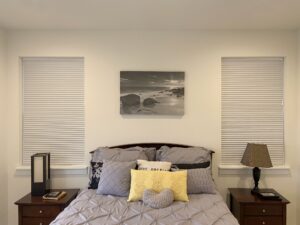
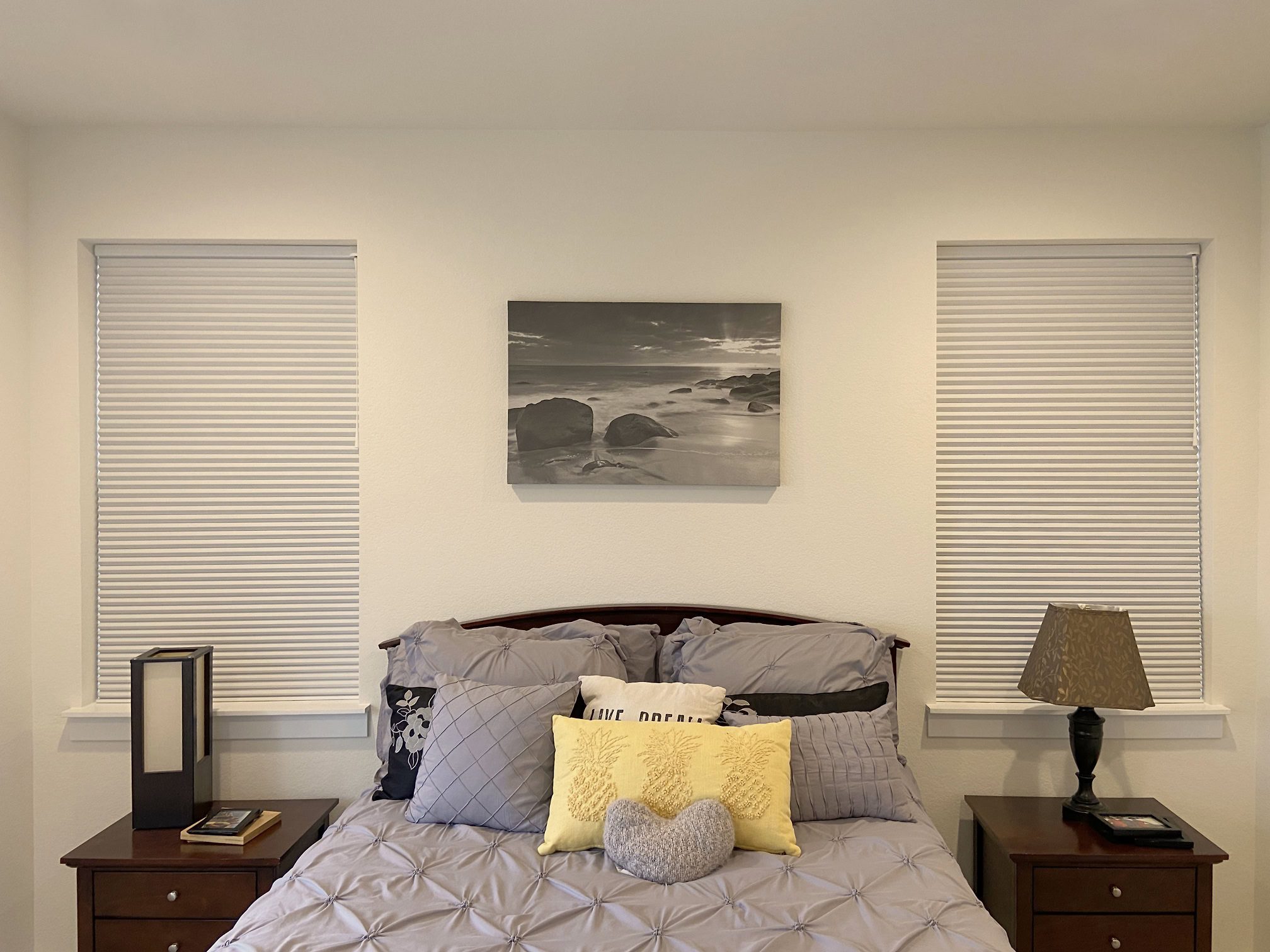
- Good fits: room darkening cellular shades, blackout roller shades, or roman shades with room darkening liners.
- Why: darker fabrics block more light, help with early sun, and reduce light from street lights. Add side channels for a fuller blackout when needed.
Media Rooms And Home Theaters
- Goal: Reduce screen brightness for improved clarity.
- Good fits: blackout shades or room darkening cellular shades.
- Why: fewer reflections on screens and a more immersive experience.
Details That Improve Results
Measurement And Fit
Made-to-order window shades support clean edges and better performance. Professional measurement helps reduce light gaps around the window frame, which is essential for room darkening and blackout results. At AIM, our Hunter Douglas-certified design consultants measure, and Hunter Douglas-certified installers handle the installation. That clear division helps ensure accuracy and a smooth finish.
Fabric Color And Openness For Solar Shades
Openness influences view, brightness, and privacy. Lower openness allows less light and view, higher openness allows more light and view. Light fabrics reflect more light, providing increased privacy and reducing visibility. Dark fabrics preserve the view but reveal more of the interior at night. Set expectations by considering the time of day you use each room the most.
Operation And Daily Use
Consider how often you adjust shades. Cordless or motorized operation improves ease and consistency. PowerView® automation can adjust multiple shades at once, run schedules, and respond to voice commands for everyday convenience.
The AIM Experience

AIM offers free consultations and a mobile showroom that comes to you. An expert designer will take careful measurements, discuss goals for the project, and review window treatment options on site. You receive a proposal review, professional installation at your convenience, and ongoing support after the installation. That process helps you select the right combination of light filtering and room darkening treatments for each room, then enjoy them with confidence.
Our approach is built on three pillars. Advise during consultation, install with professional crews, and monitor with warranty guidance and optional support memberships. That combination delivers reliable performance beyond installation.
We bring the showroom to your home. You see fabrics and controls where they will live. Your Hunter Douglas-certified design consultant measures, and a Hunter Douglas-certified installer completes the install.
Light Filtering vs Room Darkening Shades in Colorado
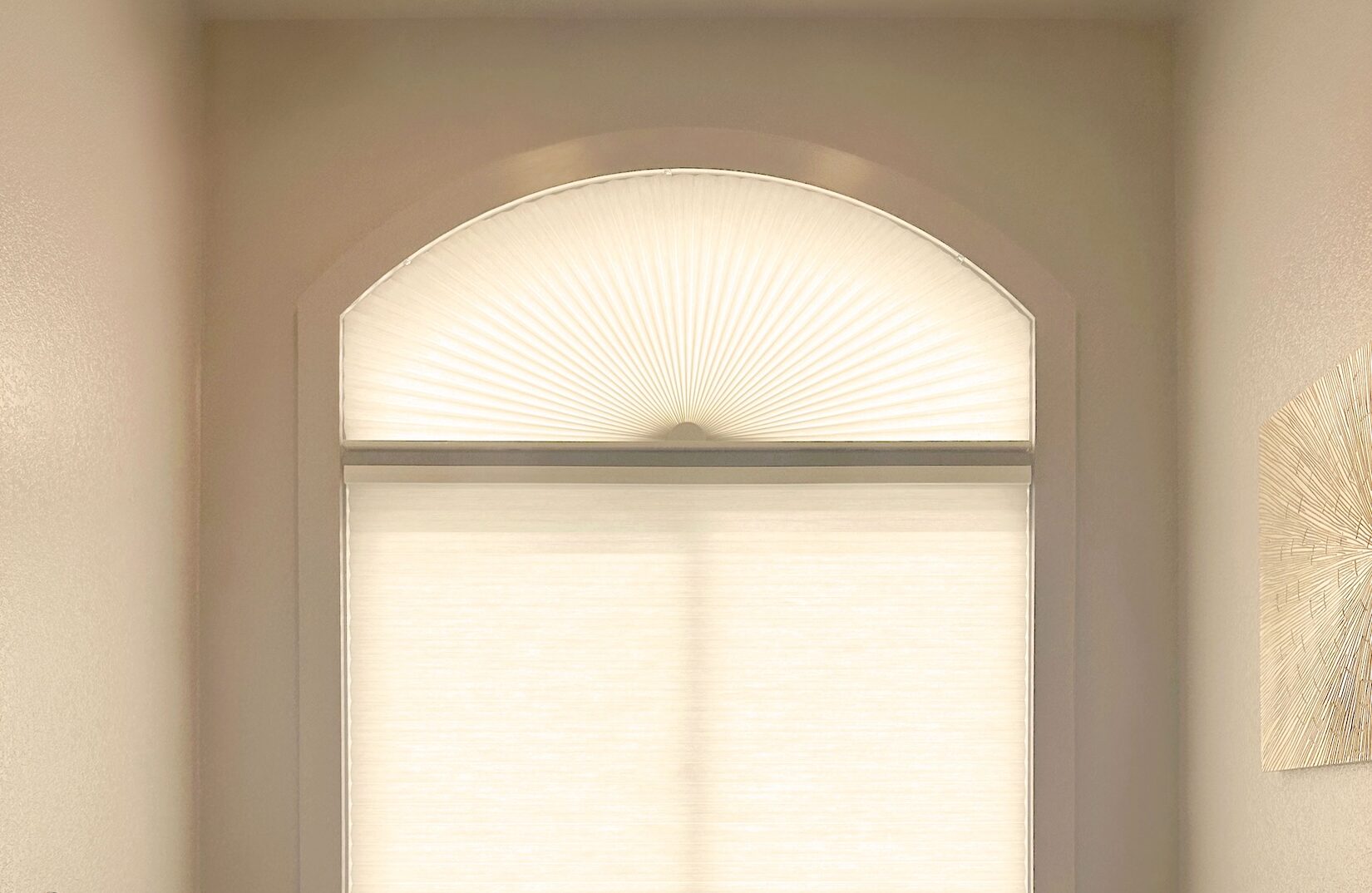
Both categories have a clear role. Light filtering shades soften brightness, reduce glare, and keep rooms bright and welcoming. Room darkening shades block light for sleep, privacy, and screens. In many Colorado homes, the right plan mixes both.
When you are ready, schedule a free consultation. AIM brings the showroom to your home, helps you compare fabrics and controls in real light, and supports you from measurement to installation and beyond.
Frequently Asked Questions
What is the difference between light-filtering window treatments and room-darkening window treatments?
Light filtering window treatments soften incoming light to reduce glare while keeping rooms bright. Room darkening window treatments use denser fabrics to block more light for sleep, privacy, or screens. Many roller window shades are offered in both light filtering and room darkening opacities so that you can tune light control per room.
Which option works best in living rooms with lots of direct sunlight?
For living rooms that face direct sunlight, light-filtering shades such as solar screen fabrics help manage direct light while preserving views of the outdoors. Openness percentages determine how much light comes through, and fabric color affects visibility and privacy. Lighter colors reflect more light for increased privacy with less view-through, while darker colors preserve the view but reveal more of the home’s interior at night.
How do blackout shades and blackout curtains compare, and how do I reduce light gaps at the window frame?
Blackout shades and blackout curtains are designed for minimal light, yet most products allow a slight halo at the edges. For complete darkness, ask about side and bottom channels that reduce light gaps at the window frame. Precise, made-to-order measurement also supports better coverage and smoother operation across the window.
Are honeycomb shades suitable for both light control and comfort?
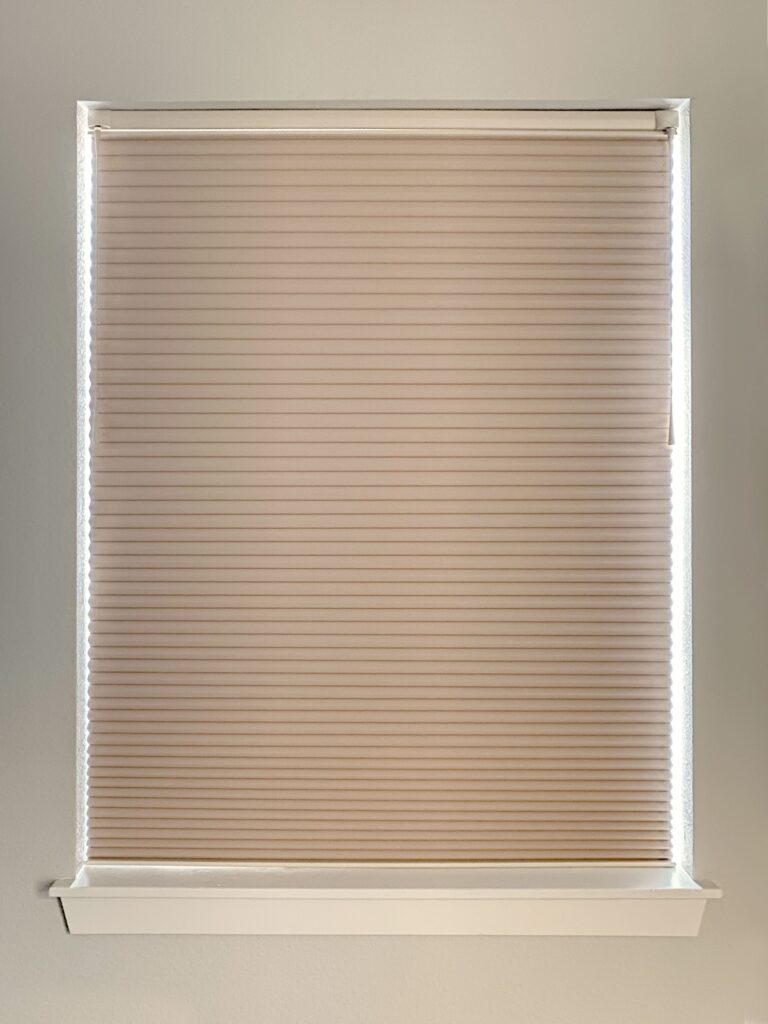
Yes. Honeycomb shades, also called cellular shades, use a cellular construction that creates an insulating air gap between the room and the window. You can specify light filtering and room darkening fabrics within the same category, which makes it easy to balance light filtration and comfort from one space to the next.
Can I combine different window coverings, like roman shades and faux wood blinds, with drapery?
Absolutely. Many homeowners pair roman shades or roller shades with drapery to fine-tune filtering and room darkening throughout the day. Faux wood blinds offer durable light control and a classic look, while woven wood shades can include attached liners for added privacy. This layered approach helps you manage light coming from direct light to soft glow while framing the window with a finished look.
How do I choose the right window treatments when I want all the details dialed in for each window?
Begin by identifying the primary function of each room, then determine where light filtering and room darkening are needed. Consider window orientation, the type of window frame, and how direct sunlight hits screens or seating. From there, compare options across blinds and shades, including Hunter Douglas collections, to match the right window coverings to each window in the home.