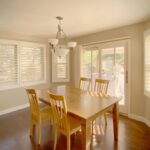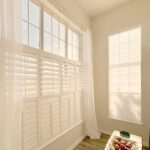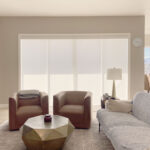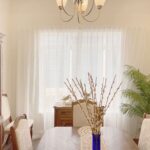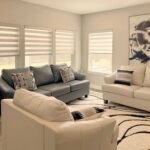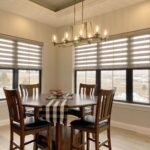
Modern Shade Styles Colorado Open Concept

Open plans thrive on natural light and clear sightlines. The right shades keep rooms bright, reduce glare, and protect finishes without closing off your living space. This guide highlights modern shade styles Colorado open concept homes use every day, with practical ideas for large windows, sliding glass doors, and connected living areas.
We offer a full range of window treatments, including blinds, shades, shutters, privacy sheers, and drapery. Products are made to order for precise measurements, and automation is available across blind, shade, shutter, and drape styles.
How Open-Concept Spaces Handle Light


Light filtering vs room darkening
Common areas benefit from light filtering fabrics that soften brightness while keeping the plan open. Bedrooms or media zones that connect to the main level may need room darkening for deeper rest or screen time. Hunter Douglas window treatments span both categories, so you can tune light control per room without compromising the flow of the entire space.
Balancing views and privacy
If your great room faces strong sun, solar shades cut glare and harmful UV rays while preserving views. Openness percentages and fabric color influence performance. Lighter colors reflect more light for more privacy and less view-through, while darker colors preserve the view but reveal more of the interior at night.
The Core Modern Shade Styles
Roller shades
Clean lines and a broad fabric range make roller shades a natural fit for modern interiors. Choose light filtering for daytime glow or room darkening when you want a calmer environment. Standard or reverse roll helps clear hardware at the window frame, and top or bottom treatments finish the look.
Solar shades
Solar shades are roller shades with screen fabrics in multiple densities. They are sleek, easy to keep clean, and available with finishing details that suit a contemporary color scheme. Use openness and fabric color to shape glare control and visibility.
Roman shades and custom Roman shades
Roman shades bring soft architecture to open rooms and work well as a single statement or as part of layered window treatments. You can add a sheer, light-filtering, or room-darkening liner to fine-tune light control and privacy for the living space.
Honeycomb shades and cellular shades
Cellular construction creates an air gap between the room and the glass, which supports energy efficiency in wide, sunlit areas. Explore Duette® honeycomb shades for top-down/bottom-up and other operating styles, with fabrics across many colors, textures, and opacities.
Woven wood shades and woven shades
Texture matters in minimalist plans. Woven wood styles add warmth, layer well with sheers or drapery, and are included among the modern options we carry.
Sheer panels and privacy sheers
Privacy sheers and sheer shadings combine the function of a shade and a blind into one window covering. With vanes open, sheer fabric disperses direct light into a soft glow; close them for privacy and shading. Horizontal and vertical formats pair nicely with sliding glass doors and floor-to-ceiling windows.
Vertical and Large-Scale Solutions

Sliding glass doors and floor-to-ceiling glass
For large spans and patio access, vertical privacy sheers offer flexible control and smooth traffic flow. Luminette® is a strong choice for sliding glass doors and can be paired with Silhouette® for a consistent look across the entire space. We also carry options purpose-built for doors; see our door shading solutions.
Window frame, scale, and measuring
Open-concept rooms depend on clean lines. Made-to-order measuring ensures alignment across windows, proper stack space, and the right proportions for large windows. That precision helps modern shade styles read as one cohesive plan.
Layered Window Treatments for a Modern Touch
Simple recipes
Sheer panels over roller shades give daytime brightness with evening privacy. Roman or honeycomb shades paired with drapery add softness and deeper control without visual clutter. Wood blinds or faux wood blinds can punctuate specific zones if you want articulated slats in part of the plan.
When to keep it simple
If you are weighing blind and shade repairs versus new window treatments, a clean, single-layer roller or solar design can refresh a room quickly while keeping maintenance light. A Hunter Douglas-certified design consultant can walk you through options during the in-home visit.
Color, Fabric, and Style Direction
Choosing the right fabric
Custom made window treatments let you compare different fabrics side by side in your home. With hundreds of fabric choices across shades, you can coordinate bold hues or easy neutrals with the rest of your color scheme.
Protecting your interior
Solar screen color choices influence privacy and view-through. Lighter colors reflect more light for increased privacy; darker colors preserve views but reveal more of the interior at night. Use these levers to manage glare on surfaces and help reduce the effects of harmful UV rays around finishes and patio furniture near glass.
Energy Efficiency Without Compromising Style
Cellular shades can help reduce energy bills by adding insulation at the window. If you prioritize energy efficiency and want to explore incentives, follow this precise guidance. Many Hunter Douglas Duette® models and some Hunter Douglas Applause® models qualify for federal tax credits. Always confirm the exact model and spec during your consultation.
Measuring, Installation, and What to Expect
Installations, window covering measuring, and fit
We bring the showroom to your home. During a free in-home consultation, a Hunter Douglas-certified design consultant measures, discusses goals, and reviews window treatment options that fit your home’s style and light needs.
Professional guidance and installation
Your designer will help you compare fabrics, opacity choices, and operating systems. When you are ready to purchase window treatment solutions, we schedule installation at a convenient time, and friendly installers provide training so you feel confident using your new window shades. You work with the same company before, during, and after installation.
Room-by-Room Ideas Inside an Open Plan
Great room
Use light filtering roller or solar shades to soften glare while keeping views and conversation lines open. Consider top-down/bottom-up where you want more light without losing privacy.
Kitchen and dining
Select fabrics that handle strong sun and daily activity. Solar screens or easy-clean roller fabrics keep prep zones bright and clear. If your dining area needs occasional room darkening, a liner or secondary layer can help.
Home office nook
Solar fabrics reduce glare on screens while maintaining outside visibility, which helps you stay connected to the main living space.
See These Styles in Your Space

Modern shade styles for Colorado open-concept homes balance light filtering, privacy, and energy efficiency across connected rooms. From roller and solar to Roman, honeycomb, woven wood, and vertical privacy sheers for sliding glass doors, you can shape the entire space without compromising style. When you are ready to explore the right window covering plan for your windows, schedule a free in-home consultation and let us bring the showroom to your home.
Frequently Asked Questions
How do I pick custom window treatments that suit an open-concept layout?
Start with the function by zone, then layer for finish. In bright great rooms, shades handle daily control while drapery frames the view. We help you compare custom window treatments across a diverse mix, including custom blinds, wood shutters, privacy sheers, and other window treatments.
Are any energy-efficient products or shades eligible for incentives?
Yes, some window treatments are eligible when they meet specific insulation criteria. Ask about eligible Hunter Douglas Duette® models, which are designed for efficiency and may qualify under current guidelines.
What works best on sliding glass doors and tall openings?
For doorways and floor-to-ceiling glass, vertical blinds and privacy sheers keep traffic flowing while giving you flexible light control. Side panels or wood drapes can complete the opening for a finished look that matches nearby windows. We will cover all the details during your visit, so large spans feel consistent with the rest of the plan.
When should I consider blackout lining or extra layers in an open plan?
Use blackout lining in media zones or bedrooms that connect to shared areas, then keep lighter fabrics in living spaces. Layers let you tune glare and privacy without losing the open feel. We will help you determine when a single layer is sufficient and when an added liner or second treatment is needed to achieve the perfect window coverings.