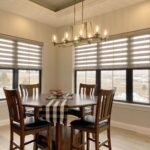
Want to keep your home cool and reduce energy bills this summer? This article covers tips on choosing the best shades to keep heat out, including cellular, roller, and roman shades. Learn which options are most effective and why they work.
Key Takeaways
Cellular Shades: Cellular shades, especially double cell shades, are highly effective for insulation and reducing heat transfer due to their unique honeycomb structure.
Roller and Roman Shades: Roller and roman shades offer versatile and stylish options for heat control, with materials ranging from light-filtering to blackout fabrics for varying levels of light and heat management.
Window Treatments: Layered window treatments, such as combining shades with drapes, can significantly enhance energy efficiency by improving insulation, light control, and privacy.
Which Shades Are Best to Keep Heat Out This Summer?

With the appropriate choice of window coverings, your home can remain cool and comfortable, even on the warmest summer days. One way to achieve this is to reduce solar heat gain through the use of energy-efficient window treatments.
Effective window coverings can block direct sunlight, reduce heat gain, and make the room more comfortable. Plus, you will taking a big step toward reducing energy bills. Among the best options are cellular shades, roller shades, and roman shades. There is also the option of combining multiple shading options, which we will talk about later.
Cellular Shades for Superior Insulation

Cellular shades, also known as honeycomb shades, are designed with pleated materials that fold up accordion-like, creating air pockets within a honeycomb cross-section that trap hot air and prevent it from passing through the window. This unique structure makes cellular shades highly effective at insulating your windows and reducing solar heat gain.
These shades can accomplish quite a bit:
Reduce unwanted solar heat through windows by up to 60%
Decrease the total solar gain to 20% when installed with a tight fit
Trap hot air in their honeycomb cells, preventing it from passing through the windows
Significantly improve the insulation of your home
Not only do cellular shades help in blocking sunlight, but they also contribute significantly to the energy efficiency of your home by reducing heat transfer. Available in various styles and configurations, cellular shades can be customized to suit your specific needs, making them one of the best window coverings for keeping heat out during the summer. There are lots of options to choose from.
Single Cell vs. Double Cell Shades
Single cell shades consist of a single layer of honeycomb cells. They help in insulating the window and reducing heat transfer and are available in various sizes, making them suitable for different window types. They also provide a clean, minimalistic look.
On the other hand, double cell shades feature two interconnected layers of honeycomb cells, offering superior insulation and energy efficiency compared to single cell shades. The additional layer of air pockets in double cell shades increases their ability to trap hot air, making them an excellent choice if you’re looking for maximum energy efficiency.
Light Filtering vs. Blackout Cellular Shades


Light-filtering cellular shades are designed to allow natural light to enter the room while still blocking a significant amount of heat. These shades can be adjusted from both the top and bottom, providing flexible control over light and privacy.
Blackout cellular shades, on the other hand, are made with thicker fabrics that block almost all light from entering the room, offering superior heat control and privacy. This makes them ideal for bedrooms and other spaces where complete darkness is desired for better sleep or reduced glare on screens.
Roller Shades for Versatile Heat Control
Roller shades also present an excellent alternative for versatile heat control. Made from a single piece of fabric, roller shades offer a clean and minimalistic look while providing effective light control. They are available in a wide range of fabrics, patterns, and colors, making it easy to find a style and color scheme that complements your home decor.
One of the key benefits of roller shades is their ability to provide very precise light control. This is ideal for spaces such as bedrooms and home theaters where light management is crucial. Additionally, roller shades can be paired with other window treatments for better insulation and aesthetic.
Material Choices for Roller Shades

The material choice for roller shades can significantly impact their effectiveness in heat control. Sheer fabrics allow natural light to filter through while reducing glare, making them suitable for living areas where daylight is desired. Light-filtering fabrics offer a balance between light control and privacy.
For maximum heat and light blocking, however, blackout fabrics are the best choice. These fabrics prevent almost all light from entering the room. These are the ones you’d want for your home theater or bedroom. With a variety of colors, patterns, and textures available, you can customize your roller shades to suit your specific needs and preferences.
Roman Shades for Style and Functionality

Roman shades carry a reputation for their classy look and practical benefits. Like roller shades, these are made from a single piece of fabric. They create an insulating layer at the window, which helps in reducing heat transfer and blocking sunlight. Roman shades are available in various styles and can be customized to match your home’s decor. Some of the popular styles of roman shades include:
Flat roman shades
Hobbled roman shades
Relaxed roman shades
Balloon roman shades
London roman shades
In addition to their aesthetic appeal, roman shades offer excellent light control, insulation,and thermal efficiency to your windows.
Soft Fold vs. Flat Fold Roman Shades
Soft fold roman shades feature cascading folds that create a luxurious look while providing additional layers for insulation. However, they may not fit as closely to the window as flat fold shades, resulting in slightly less effective heat insulation.
Flat fold roman shades, on the other hand, offer a sleek and clean appearance that fits closely to the window, improving insulation. These shades are ideal for modern homes where a minimalistic look is desired, and they provide better heat control compared to soft fold versions.
Day & Night Roman Shades
Day & night roman shades combine the best of both worlds by incorporating light filtering and blackout fabrics into a single shade. This design allows for customizable light and heat control, making them ideal for rooms that require different levels of light throughout the day.
These shades, including solar shades, provide the flexibility to adjust the amount of natural light entering the room, offering excellent heat control and privacy. With a variety of fabric options and operating systems available, day & night roman shades can be tailored to meet your specific needs and preferences.
Layered Window Treatments for Maximum Efficiency

Layered window treatments combine different window coverings to optimize energy efficiency and boost your home’s visual appeal. Creating additional insulating layers by pairing drapes with shades or blinds can aid in blocking sunlight and minimizing heat transfer.
This approach improves the thermal efficiency of your windows and allows for greater flexibility in light control and privacy.
Combining Shades and Drapes
Combining shades with drapes is an effective way to improve room insulation and reduce heat transfer. By layering sheer fabrics underneath thicker draperies, you can achieve a balance between light filtering and heat control.
Hard window treatments like shutters can also be paired with soft textiles such as draperies to improve insulation. This combo of window coverings improves the energy efficiency of your home and likewise offers versatility in light control and privacy.
Benefits of Layering
In addition to improved insulation and light control, interior window blinds and layered window treatments can also reduce noise and prevent UV rays from causing fading and deterioration of indoor furnishings. This makes them a practical and stylish choice for any home looking to enhance its energy efficiency and comfort and make other possessions last much longer because they aren’t overexposed to light and heat.
Next Steps
Choosing the right window coverings is essential for keeping your home cool and energy efficient during the hot summer months. From cellular shades and roller shades to roman shades and layered window treatments, each option offers unique benefits that can help reduce heat gain and add to the comfort of your living space.
By selecting the best window coverings for your needs, you can enjoy a cooler, more comfortable home while reducing your energy bills. Contact AIM to get valuable insights and inspiration to make informed decisions about your window coverings.
Frequently Asked Questions
What are the best window coverings for reducing heat gain during the summer?
The best window coverings for reducing heat gain during the summer are cellular shades, roller shades, and roman shades. They help keep your home cooler by blocking out heat. You can also combine shades with other window coverings, like drapery, to see even more benefits.
How do cellular shades help in reducing heat transfer?
Cellular shades help reduce heat transfer by trapping hot air in their honeycomb cells, creating an insulating layer that prevents heat from passing through the windows.
What are the benefits of combining shades and drapes?
Combining shades and drapes can improve room insulation, improve light control, and add visual appeal to your windows. This can create a more comfortable and stylish living space.
What is the difference between light filtering and blackout cellular shades?
The main difference between light filtering and blackout cellular shades is that light filtering shades allow natural light to enter while blocking some heat, whereas blackout shades block almost all light and offer superior heat control.
How do layered window treatments improve energy efficiency?
Layered window treatments improve energy efficiency by providing additional insulation, reducing heat transfer, and adding privacy and noise reduction. This helps make your home more energy-efficient.